
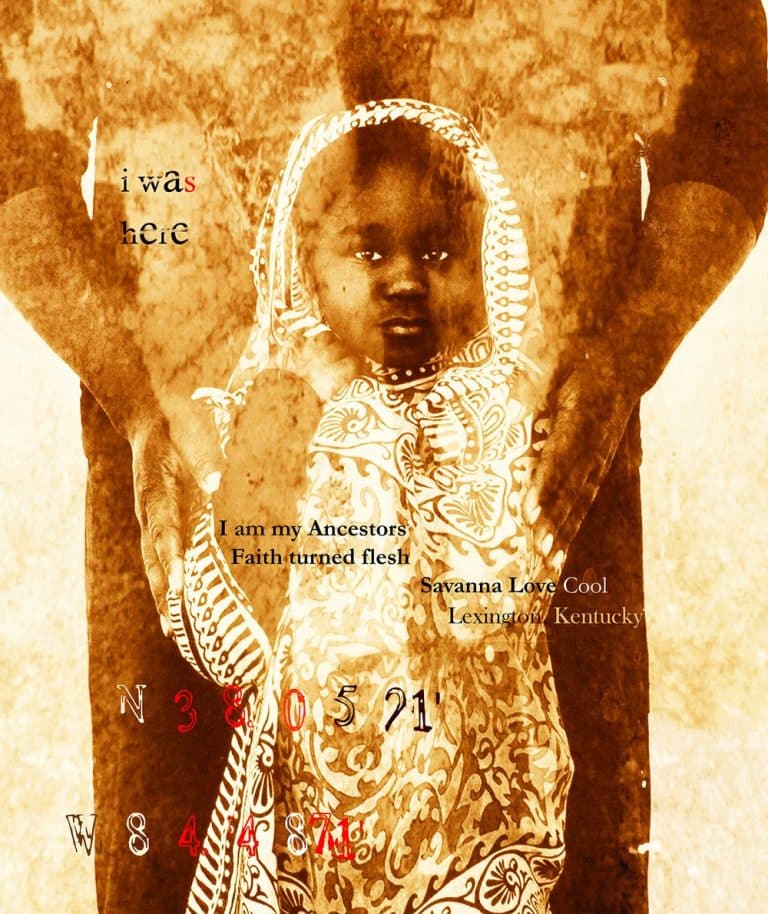
The I Was Here Project is a thought-provoking series of public art and history installations that invite audiences to pause, reflect, and reconsider the stories that shape American identity. Through a dynamic blend of art, technology, and historical perspective, the project offers a deeper, more inclusive understanding of nation-building.
Through a Kentucky Humanities minigrant, a writing project engaged descendants of enslaved Africans in examining how place and history shape ideas of citizenship. Their narratives were woven into the interpretation of two new I Was Here tapestries, which were installed at the Lexington Writer’s Room.
The project concluded with a public presentation of the writers’ work, creating space to honor and reflect on the histories of Central Kentucky.
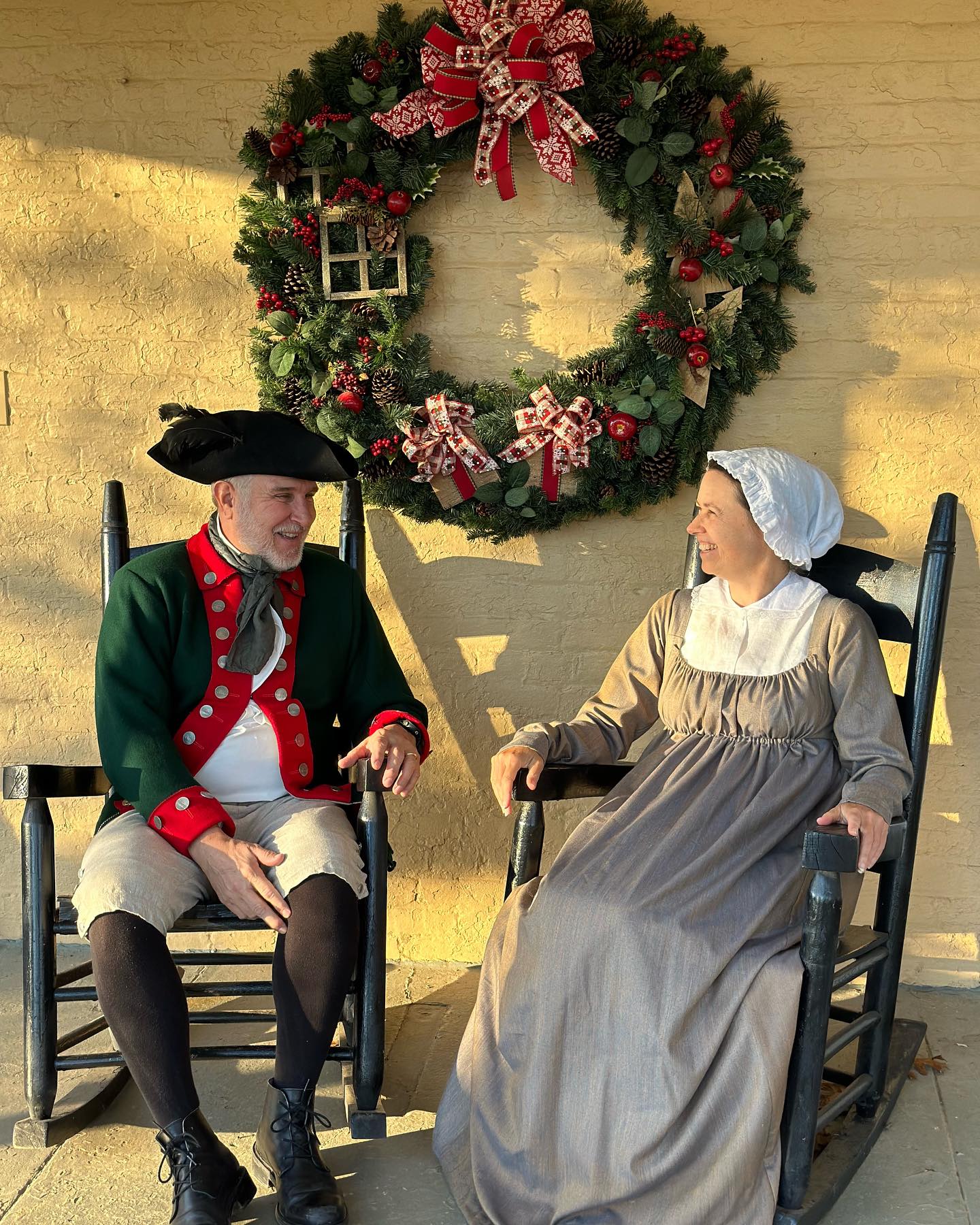
With support from a Kentucky Humanities minigrant, Blackacre Nature Preserve & Historic Homestead in Louisville brought history to life during its December Candlelight Homestead Tours. More than 500 attendees explored the festively decorated 1844 Presley Tyler House, discovered 19th-century Christmas traditions, and traveled further back in time at the 1795 Stone Cottage through lively demonstrations of pioneer-era music and dance.
Inspired by the enthusiastic response, Blackacre immediately began planning future programs to continue connecting audiences with the past in immersive and meaningful ways.
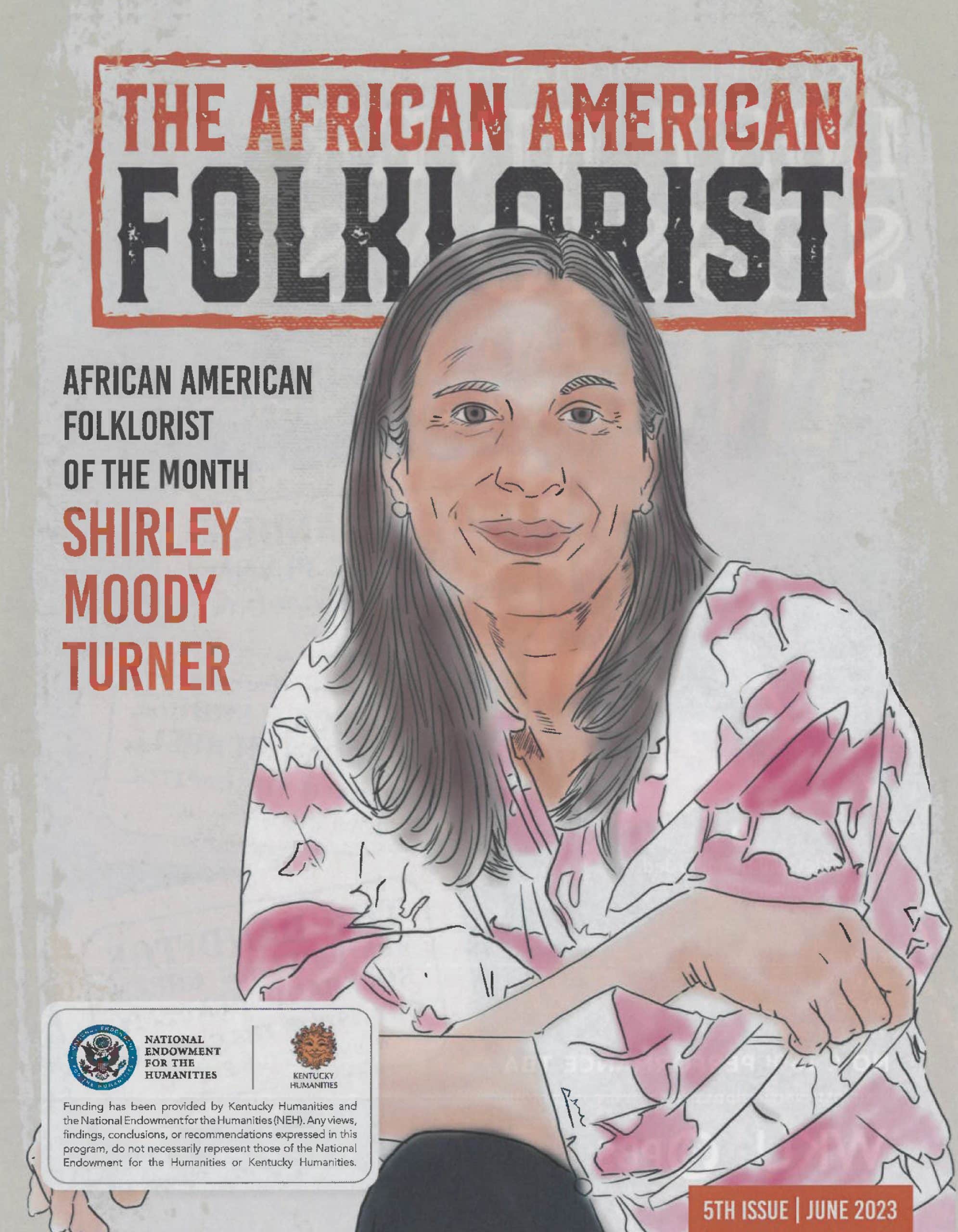
With support from a Kentucky Humanities minigrant, The African American Folklorist produced and distributed an issue, continuing its mission to document and celebrate the richness of African American cultural traditions. The quarterly magazine features articles on folklore, beliefs, music, language, and the regional and historical contexts that influence these expressions of culture.

With support from a Kentucky Humanities minigrant, the RiverPark Center in Owensboro brought the story of pioneering photographer Moneta Sleet to life. A trailblazer for Ebony magazine and the first African American Pulitzer Prize winner in journalism, Sleet documented defining moments in history, including the funeral of Dr. Martin Luther King, Jr.
The project, Through Sleet’s Eyes, illuminated the connection between Sleet’s life, his work, and the Owensboro community that helped shape him. Audiences experienced his story through a live monologue performance presented to school groups and the public, alongside an exhibition of his photography. Grant funding supported the development of the performance and research, including the work of the playwright and actor.
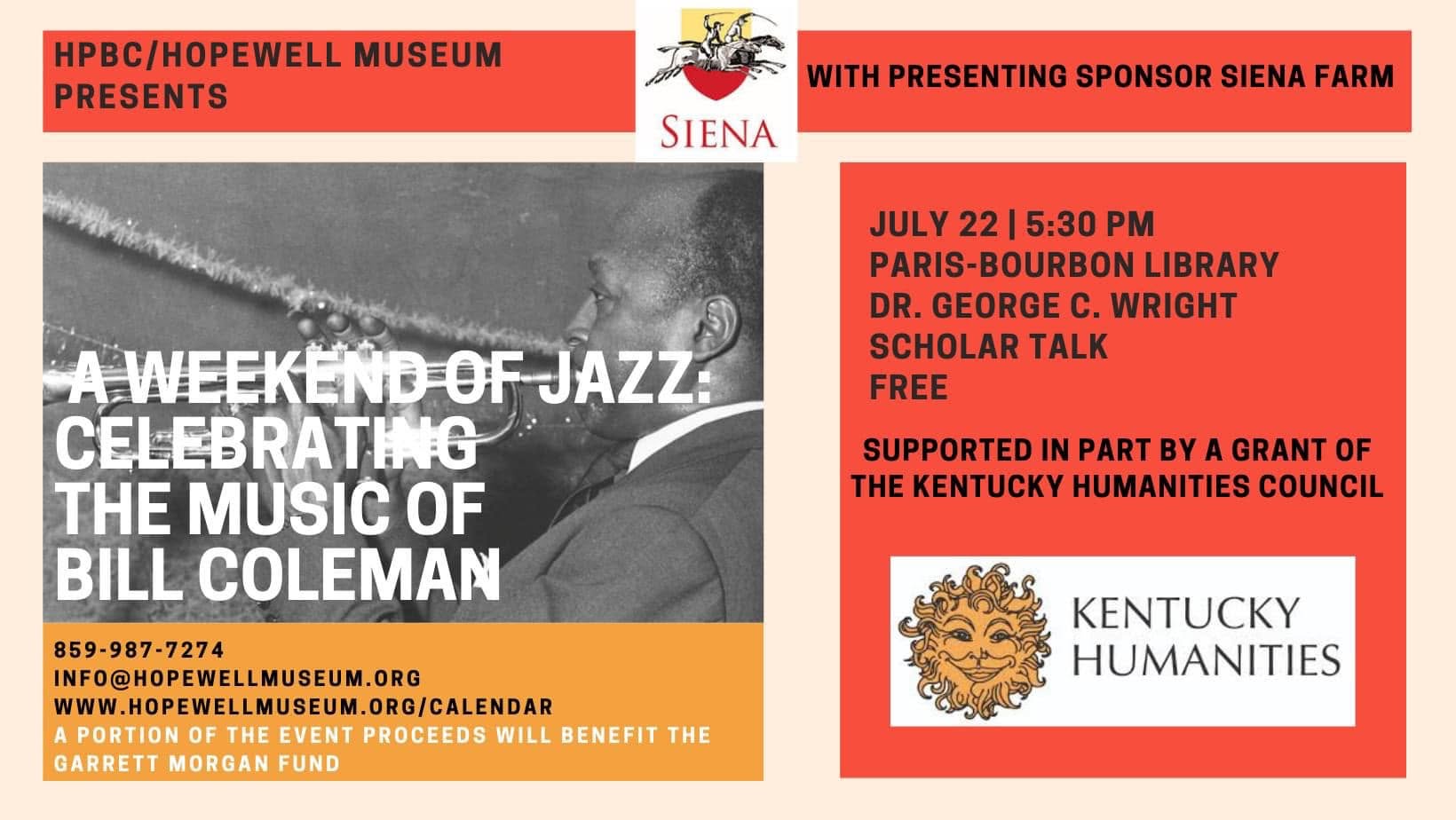
As part of a two-day celebration of jazz and the legacy of musician Bill Coleman, the Hopewell Museum in Paris, Kentucky, hosted a lecture by noted historian Dr. George C. Wright. In addition to delivering the lecture, Dr. Wright served as the project’s humanities advisor, helping to shape the program’s interpretation and historical context.
Kentucky Humanities grant funding supported Dr. Wright’s participation, including honorarium and travel expenses, as well as event materials ensuring a meaningful and accessible experience for attendees.